Ritual
Why this is not a coffee alternative
The cup is older than coffee. People were drinking warm brewed things from cups in the morning long before the first Arabica plant met the first Sufi mystic in fifteenth-century Yemen. Roasted barley water in Korea. Chocolate in pre-Hispanic Mexico. Chicory in occupied France. Roasted dandelion root in Depression-era America. The ritual is the part that has been around for as long as the morning. The contents have changed many times.
Most people who drink coffee are not drinking it primarily for the caffeine. They are drinking it for what surrounds the caffeine. The warmth in the hand. The pause before the day begins. The quiet kitchen with the kettle on. The first cup as the first deliberate act of the morning. The caffeine is one ingredient inside an experience that is much larger than it.
This is why the phrase coffee alternative is the wrong frame for any drink that is not coffee. The phrase makes the new cup secondary. It defines the cup by what it replaces. It measures the new cup against the original, on the original's terms. The substitute always loses by this measure, because the substitute is not the original and is not trying to be.
This is the choice we made when we started the brand. We could have called the cup a coffee alternative, because it does some of what coffee does and is brewed the way coffee is brewed. The market is more familiar with that frame, and it would have been the easier path. But the frame would have made the cup a substitute, and the cup is not a substitute. So we called it what it is. Mesquite. Roasted. Brewed. A cup of its own kind.
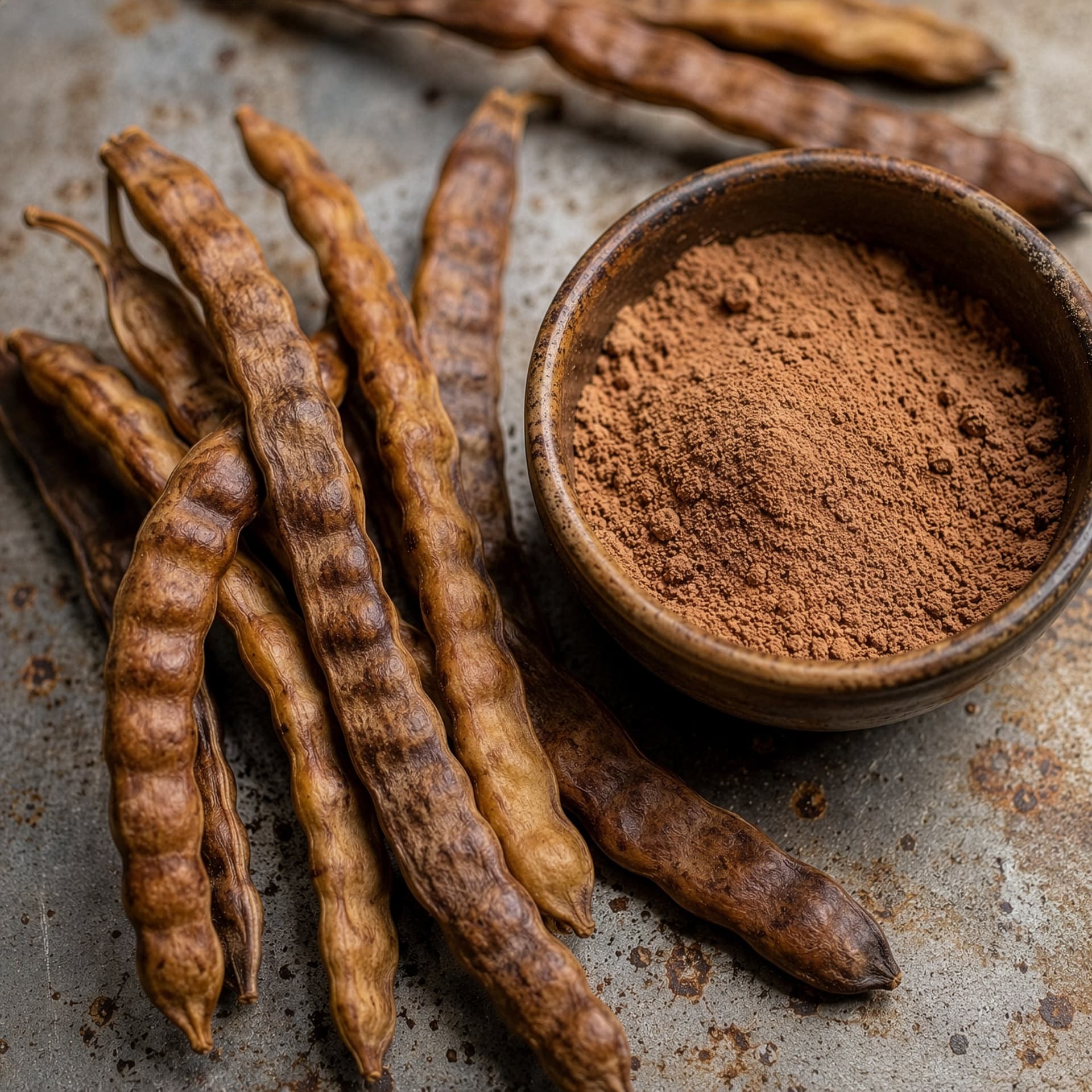
Mesquite asks to be approached as its own cup, with its own flavour, its own slow build, its own register. The brewing is similar to coffee because the pod takes well to slow roasting and to water at the same temperature, but the result is different and is meant to be. The colour is darker. The aroma is rich, warm and cacao-adjacent. The cup is robust and intense without being sharp, naturally sweet in the way raw cacao and cinnamon are sweet, warm and aromatic, not confectionary. The first sip is rounded. The aftertaste is long. The body's report is different. The flavour is different. The afternoon is different. The cup is doing different work.
The ritual is the part that has been around for as long as the morning.
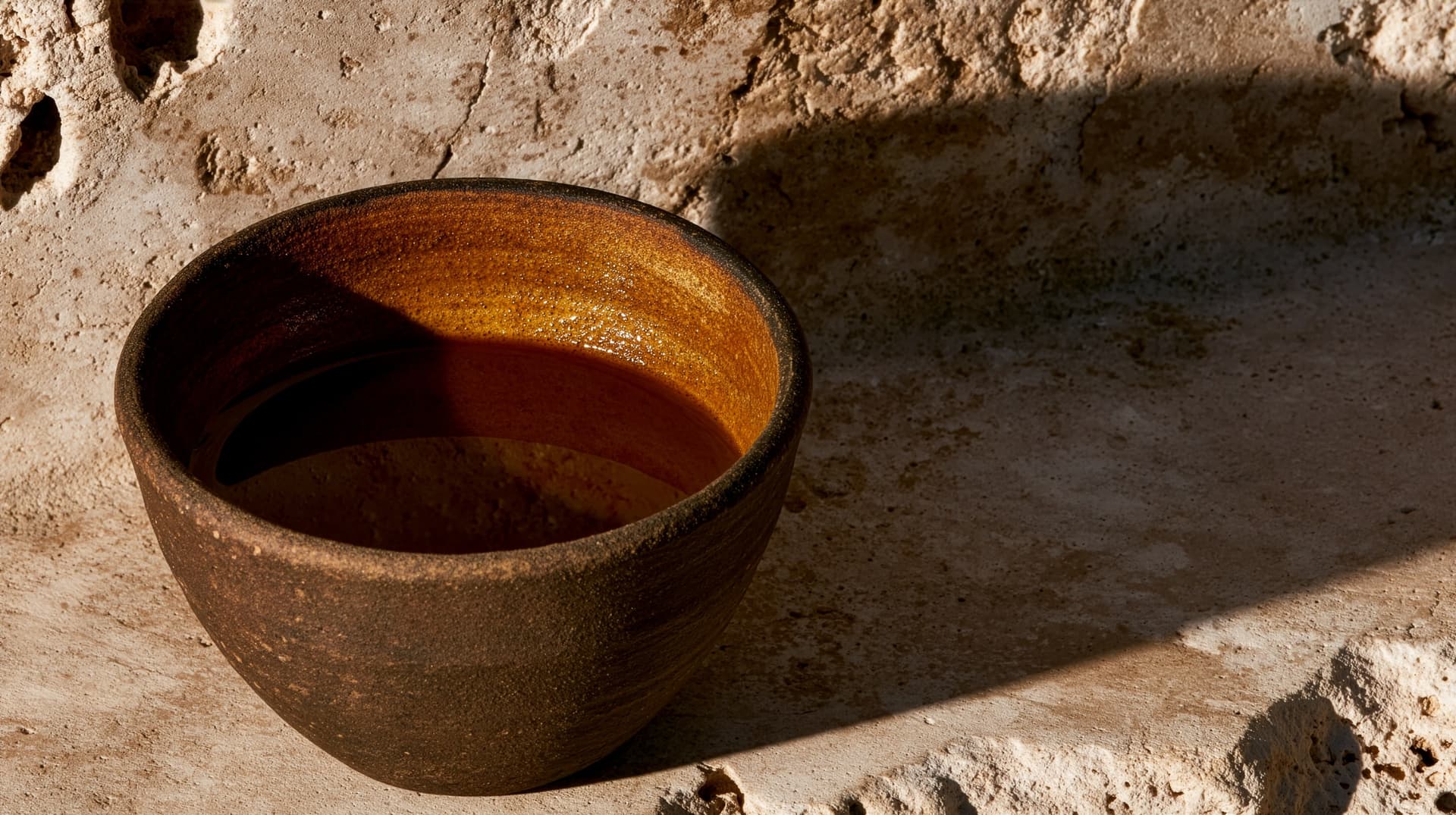
What carries over from coffee to mesquite is the part that mattered all along. The cup in the hand. The warmth on the palms before the warmth on the tongue. The five minutes by the window before the phone is touched. The quiet first decision of the day, made deliberately. These belong to the ritual, not to any particular ingredient. They belonged to people who drank roasted barley in twelfth-century Korea, and to people who drank chocolate in eighteenth-century Mexico, and to people who drink Arabica in twenty-first-century Brooklyn. The ritual outlives whatever fills the cup.
What changes is what the body receives. Robust and rounded rather than sharp. Slow build rather than spike. Mineral and fibre rather than alkaloid. A different chemistry having a different conversation with the body. The frameworks that have classified food and drink for centuries (Traditional Chinese Medicine, Ayurveda, the older European humoural systems) all distinguish stimulating from nourishing. The mesquite cup sits in the nourishing category. After enough mornings, the body adjusts to the new conversation. The ritual stays. The contents have moved.
This is the gentlest possible positioning argument, and it is also the most honest one. We do not ask anyone to stop drinking coffee. We do not claim to be better. We claim to be different, in specific and describable ways, and we ask to be met on those terms. The cup will earn what it earns by being itself. The customer's body will tell them whether it works for their mornings or not. The ritual was never about the coffee. The ritual was about the morning.