
The Origin
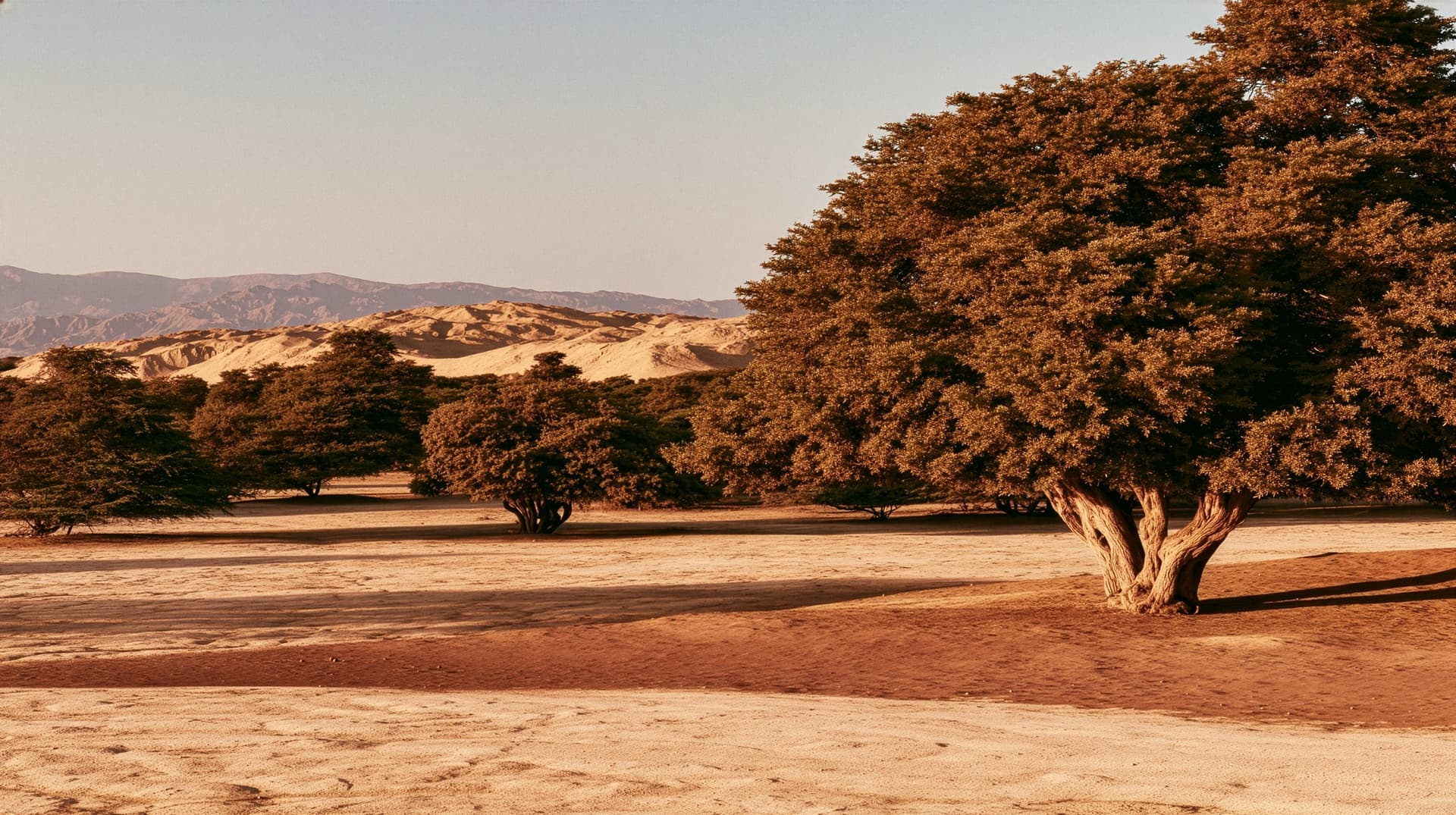
Piura, Peru
Before coffee, there was this.
Mesquite has grown wild in the dry forests of northern Peru for centuries, long before the morning cup became a ritual. Across the Americas, Asia, and the Mediterranean, the people who live alongside it call it the tree of life. When the rains failed and the harvests withered, the mesquite pods remained, sweet and golden, hanging from branches that drank from the deep earth.
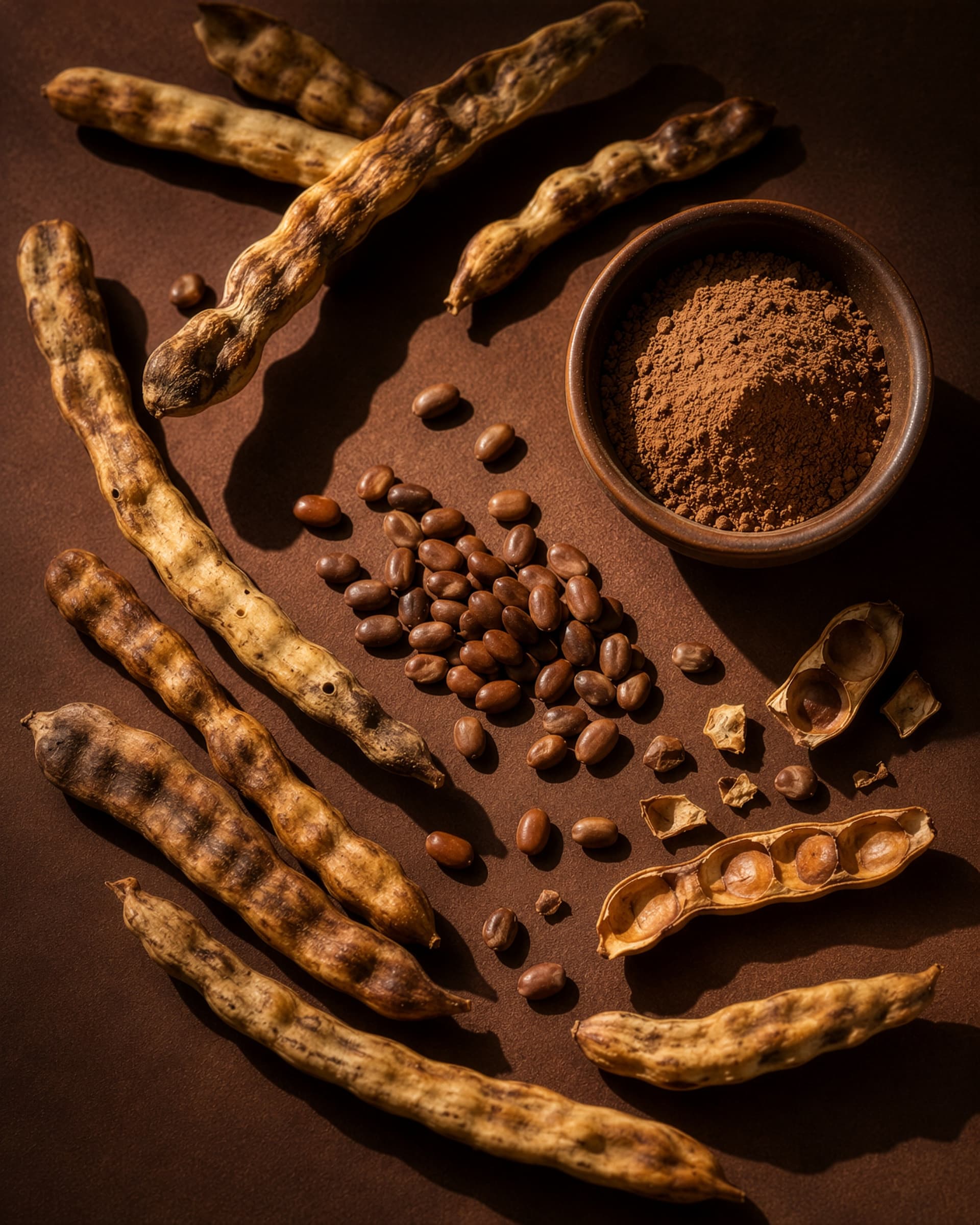
The pods are wild-harvested by hand, slow-roasted and ground. The result is a cup that is robust and rich, naturally sweet in the way raw cacao and cinnamon are naturally sweet, warm and aromatic, not confectionary. A cup that offers itself without asking anything in return.
Same ritual. Different ingredient.
Harvested with care
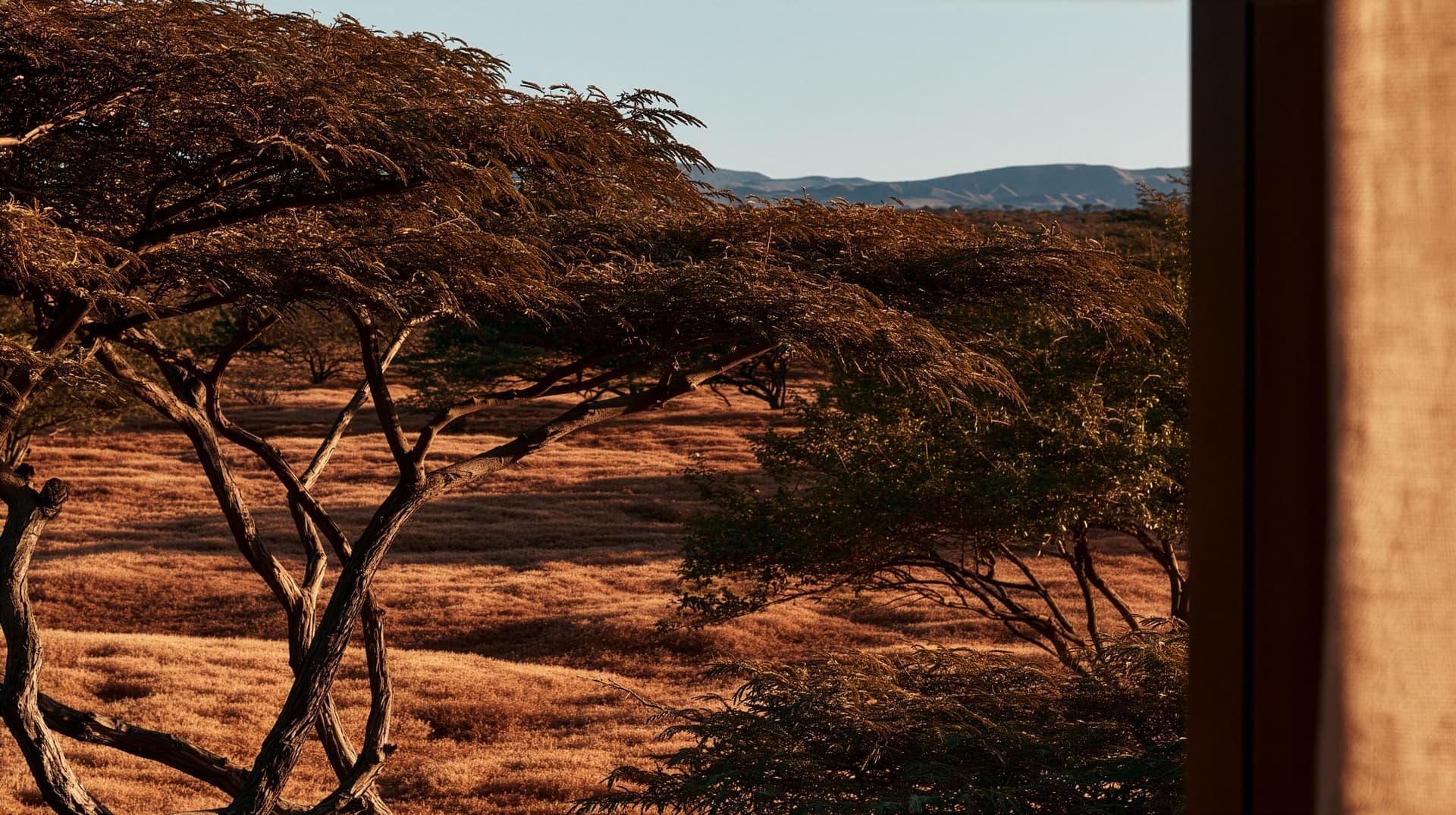
The harvest in Piura is by hand. There is no machinery in this forest. The pods are gathered by communities and cooperatives working under the oversight of SERFOR, the Peruvian Forest Service. Roughly four hundred thousand families across the dry forests of the northern coast depend, in part, on this tree.
South of the city, the Sechura desert meets the dry forest in a long seam of sand and thorn. This is where the mesquite stands. Nothing here is planted and nothing is irrigated. The pods are wild-harvested where they grow, gathered from trees that seeded themselves and have held this ground for generations. The forest is left as it is found.
What goes into the cup is what the tree gives. The pods are slow-roasted and ground. Nothing is added. Nothing is taken away. Under heat the natural sugars deepen into a cacao-adjacent aroma, with a trace of cinnamon. The same Maillard chemistry that pulls these notes from coffee beans pulls them from this pod.
Mesquite has been bearing sweet and golden pods for as long as the dry forest has existed. We take what it gives and bring it to you.
A Tree of many names
The tree carries many names. More than a thousand years ago, the Tallans of Piura called the boiled-pod drink yupisin, a word still used today. The Quechua call the tree itself huarango, meaning "a thousand," for its long life. The Spanish, arriving in the sixteenth century without a name for the tree, reached for the closest familiar thing they knew, the Mediterranean carob, and called it algarrobo. Further north, the Aztecs gave the related tree the word mizquitl, which English would later make into mesquite, the name we use. Further east, in India, the related tree is the khejri, sacred to the Rajasthan desert and the official tree of the state.
One family of tree. Many names. One cup.
Wild-harvested in Piura. By hand.